



 Over 1.000 comments
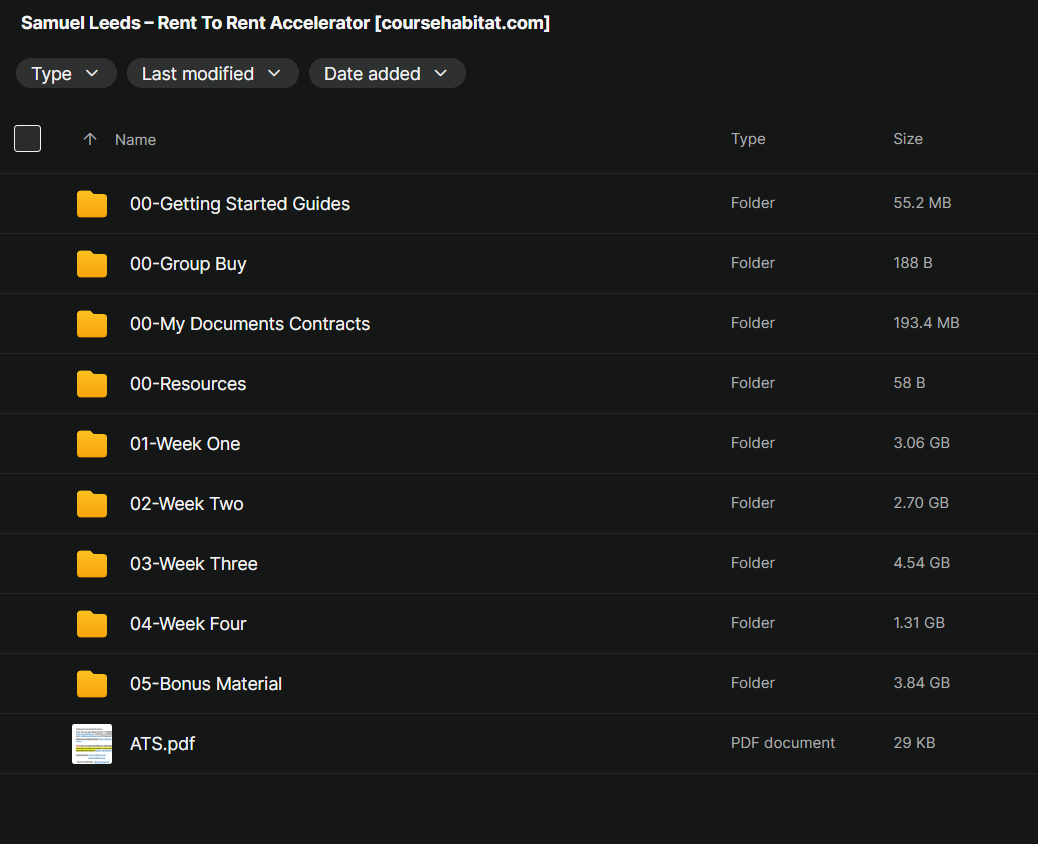


WHAT WILL YOU GET!
What is the Rent‑to‐Rent Accelerator (by Samuel Leeds)
What the program offers:
It’s a 4‑week online training teaching the rent‑to‑rent (R2R) model: you (the student) rent a property (or multiple with permission) from a landlord/agent under a guaranteed rent, then sub‐let to tenants (or convert to HMOs / serviced accommodation) to generate a profit.
Modules include business setup, finding landlords, presenting offers, legal/contracts, tenant finding, doing due diligence etc.
The program includes (or promises) contract packs/manuals/documents to help you legally structure deals.
Price is about £995 (including taxes).
Lifetime access to course material; updates are promised as rules or market conditions change.
What people are saying / some proof cases
What seems positive:
Some participants report relatively fast results: e.g. Chantelle & Tyrone who, partway through the academy, had got deals and approximately £4,000/month from short stay lets.
Another student, Nozie, made ~100 phone calls until she got a landlord/agent saying yes. She negotiated a rent reduction, etc. Good practical example of persistence helping.
On Trustpilot, there are positive reviews: people saying the course is “very informative and engaging”, with “lots of practical advice”.
Some reviews are negative. For example one person claims they paid ~£9,000 for training/membership and got “absolutely nothing”, no access or service, no refund, etc.
On Reddit and forums some people say the promises are overhyped or the risk / difficulty underplayed. Issues like needing more capital than expected, difficulty finding landlords, legal/insurance/regulatory hurdles.
Key Risks, Challenges, and What to Verify
Here are things to be especially careful about if considering this program:
| What to Check or Be Prepared For | Why It Matters |
|---|---|
| Local legal / regulatory environment | Rules around subletting, HMO licenses, safety regulations, insurance, landlords’ mortgage restrictions differ by country/region. What works in UK might not easily translate or may require more setup. |
| Upfront costs besides the course fee | You might need deposits, maintenance costs, renovation, furnishing, utility bills, marketing tenants, insurance etc. The profit margin depends heavily on managing these costs. |
| Landlord buy‑in | Convincing landlords to agree to R2R deals (especially long term, guaranteed rent) can be difficult. Many landlords may be wary of risk, especially with subletting or serviced accommodation. |
| Void periods / occupancy | If you can’t rent out the property (tenant vacancies), or if you have turnover (serviced stay), costs can eat into profit. Risk of unpaid rent / maintenance. |
| Contract, due diligence, insurance | Ensuring the contract you sign protects you, landlord, tenants. Must handle legal compliance carefully. |
| Realistic expectations | Some people may expect large profits quickly. But success stories tend to be exceptional cases. Much depends on execution, market, location, negotiation skills. |
My Assessment: Strengths vs Weaknesses
Here’s how I see the Rent‑to‑Rent Accelerator in general, and whether it might be a good fit, depending on your situation.
Strengths:
The curriculum is fairly comprehensive; covers not just “the idea” but practical steps + legal & contract templates.
It’s attractive for people who want to get into property income without having big capital to buy property.
Good if you are motivated; willing to do outreach (finding landlords), negotiation, managing operations.
The models (HMO, serviced accommodation) can scale if done well and with good systems.
Weaknesses or things to be cautious of:
The overhead and risk can be more than people expect. Cash flow false starts (empty property, low tenant demand, legal issues) can cause losses.
The program is UK‑based; many of the case studies, landlord mindset, laws are UK‑specific. If you are outside UK, you’ll need to adapt or check equivalences.
The cost is not trivial. If the profit margins are small (after all costs), the ROI might be lower than advertised.
Some testimonials may be highly selected; you often see the best success stories, but less about failures or what happens when things go wrong.
Verdict: Is it “Worth It”?
If I were you, I’d ask myself:
Do you have a property market (in your city or country) where R2R is allowed / feasible? Where landlords might accept “guaranteed rent subletting” models?
What is the regulatory risk in your area (tenant laws, landlord consent, licensing)?
How much capital + time + risk are you ready to take? Even with a course, success depends heavily on execution and local conditions.
Are you comfortable cold‑calling / networking with landlords/agents, managing tenants, handling maintenance, etc.?







Reviews
There are no reviews yet.