



 Over 1.000 comments

![Felipe Botti Galende – Copy[OS]](https://atslibrary.com/wp-content/uploads/2026/04/Download-Felipe-Botti-Galende-–-CopyOS-300x300.png)
Most investors have never learned how to value a business.
This self-paced course will teach you the four valuation methods professional investors use to calculate a company’s value.
From total addressable markets to multiples to discounted cash flow models, understanding these methods will help you make better investing decisions.
This course is for …
01 Investors
02 Entrepreneurs
03 Executives
Valuation Mastery
Learn how to tell if a stock is undervalued or overpriced — even if you’re just starting out.
💰 Calculate Intrinsic Value with Confidence
Use DCF and reverse DCF models to spot undervalued gems and overpriced traps.
📊 Master Multiples Like a Pro
Know which valuation ratios to use, when to use them, and what they really mean.
🚫 Avoid Common Valuation Pitfalls
Learn the biggest mistakes beginners make and how to sidestep them.
📚 No Jargon. No Guesswork.
This self-paced course breaks down valuation in Plain English, so you can invest with clarity.
Most investors have never learned how to value a business.
This self-paced course will teach you the four valuation methods professional investors use to calculate a company’s value.
From total addressable markets to multiples to discounted cash flow models, understanding these methods will help you make better investing decisions.
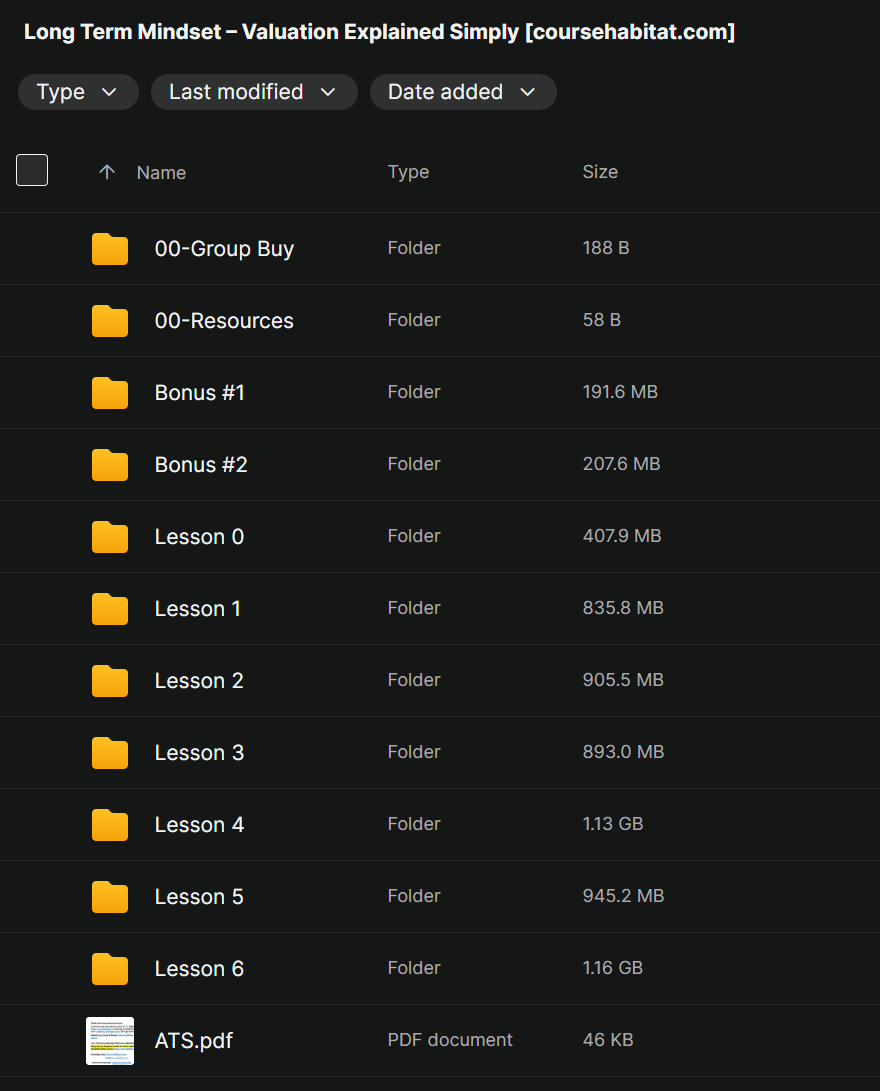
What you’ll get out of this course
The Valuation Mindset Spectrum
You’ll learn how different investors think about valuation and uncover your valuation style.
Understand Business Growth Cycle
You’ll master the six stages of the business growth cycle, learn to identify which phase a business is currently in, and know which valuation methods work best in each phase.
Total Addressable Market
Practice using the big-picture valuation methods favored by venture capitalists, such as total addressable market & serviceable addressable market.
Stock Multiples
Learn how to calculate common valuation multiples, such as the price-to-earnings ratio, price-to-sales ratio, and price-to-free-cash-flow ratio — and uncover their limitations.
Discounted Cash Flow (DCF Model)
Learn how to use a professional investor’s favorite tool: the discounted cash flow model. We’ll cover what it is, how to use it, and its drawbacks.
Reverse Discounted Cash Flow
You’ll learn how to use a valuation method that flips the DCF model on its head by starting with the stock price and solving for expectations.
Valuation Pitfalls
You’ll understand the most common valuation mistakes that investors make — and how to avoid them.
Tools of the trade
You’ll gain access to the same valuable tools that professional investors use to make multi-million dollar decisions.



Reviews
There are no reviews yet.